
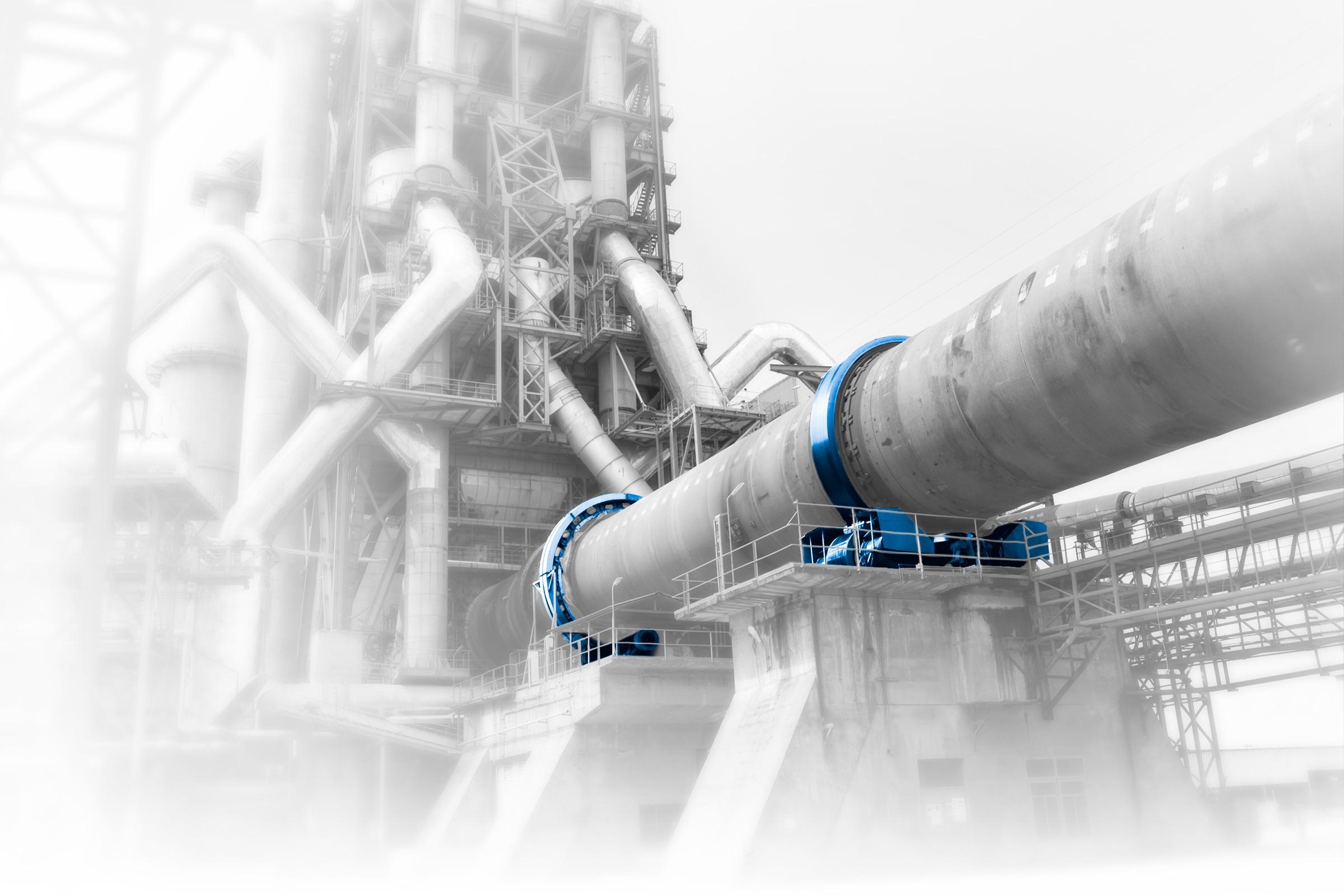
Rotating equipment:Constant load eatsrings and trunnions
Rotary kilns, dryers and mixers are central units in the cement, lime and gypsum industries, exposed to extreme temperatures and heavy mechanical loads. Wear on riding rings, trunnions and thrust rollers leads to downtime and rising maintenance costs, with direct consequences for availability.
Hot. Heavy.
Continuously
in contact
Large rotating equipment mostly runs without interruption. Permanent metal contact under high contact pressure and temperature leads to increased wear on riding rings, trunnions and thrust rollers, with direct effects on availability and maintenance costs.
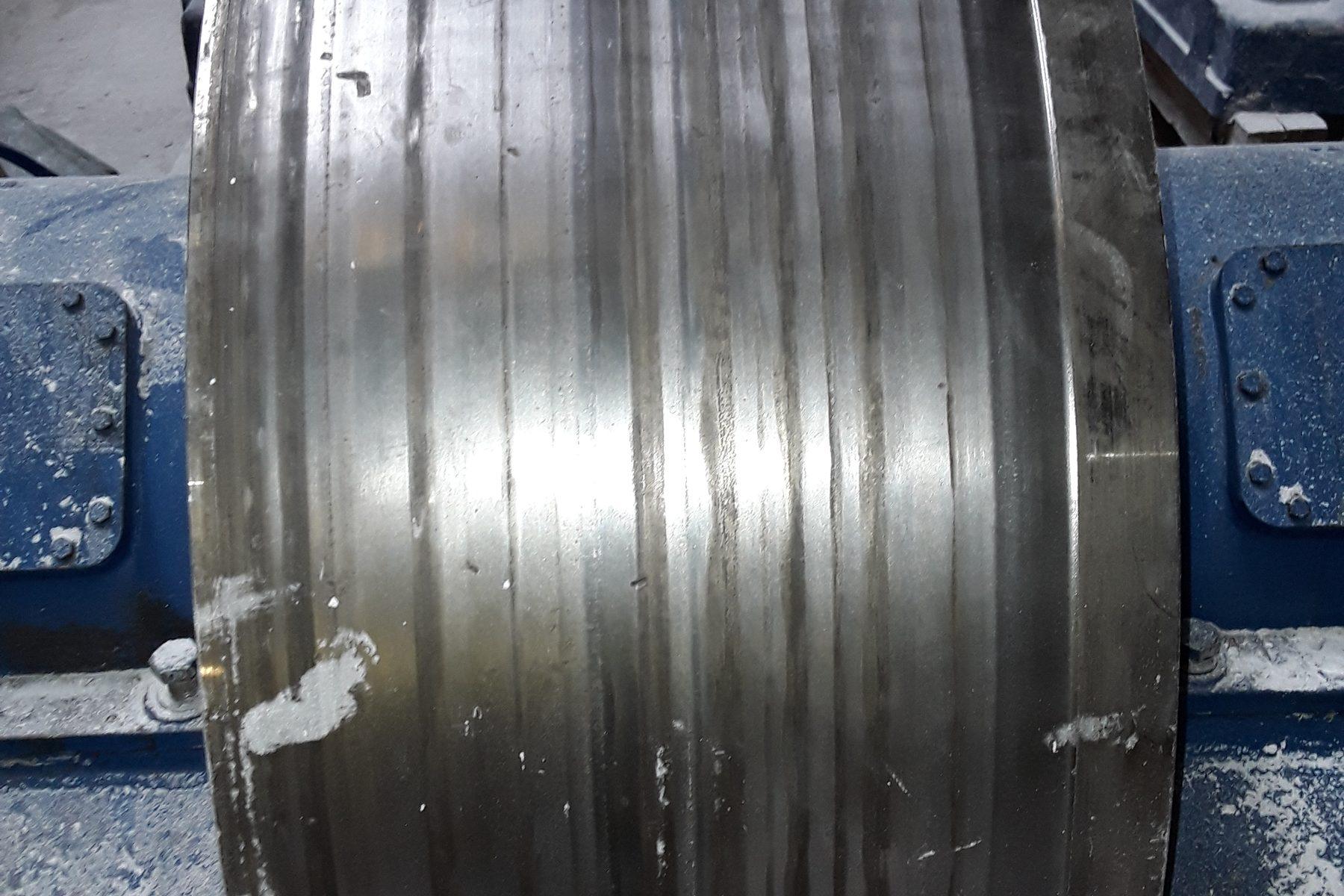
Abrasion, pitting, grooving
Permanent metal contact causes material loss on trunnions, thrust rollers and riding rings. Metal abrasion, pitting and grooves are the classic signs.
Extreme temperatures and continuous load
Hardness, diameter and temperature determine the service life of the components. Rising utilization accelerates wear further.
Unsuitable conventional lubrication
Graphite blocks and grease lubrication are not suitable in every case or fall short of the desired results. The coefficient of friction stays uncontrolled.
The consequence
Re-turning of riding rings
Unplanned kiln downtime
Reduced system availability
When the kiln stops, the entire process stops. Restarting costs time and energy.
−80%
Reduce wear
Mechanical wear on riding rings, trunnions and thrust rollers is reduced by up to 80% with SPC® wear protection systems.
3–5×
Extend service life
With less wear, the service life of wear parts increases by three to five times.
24/7
Optimize utilization
Preventive maintenance reduces planned and unplanned downtime, with less ring turning and fewer roller changes.
No single product.
One maintenance concept
We analyze your system as a whole and combine wear protection, high-temperature lubrication and condition monitoring into a coordinated package of measures. The goal: reduce the causes of wear for good, extend service life and keep your system operating reliably in the long term.
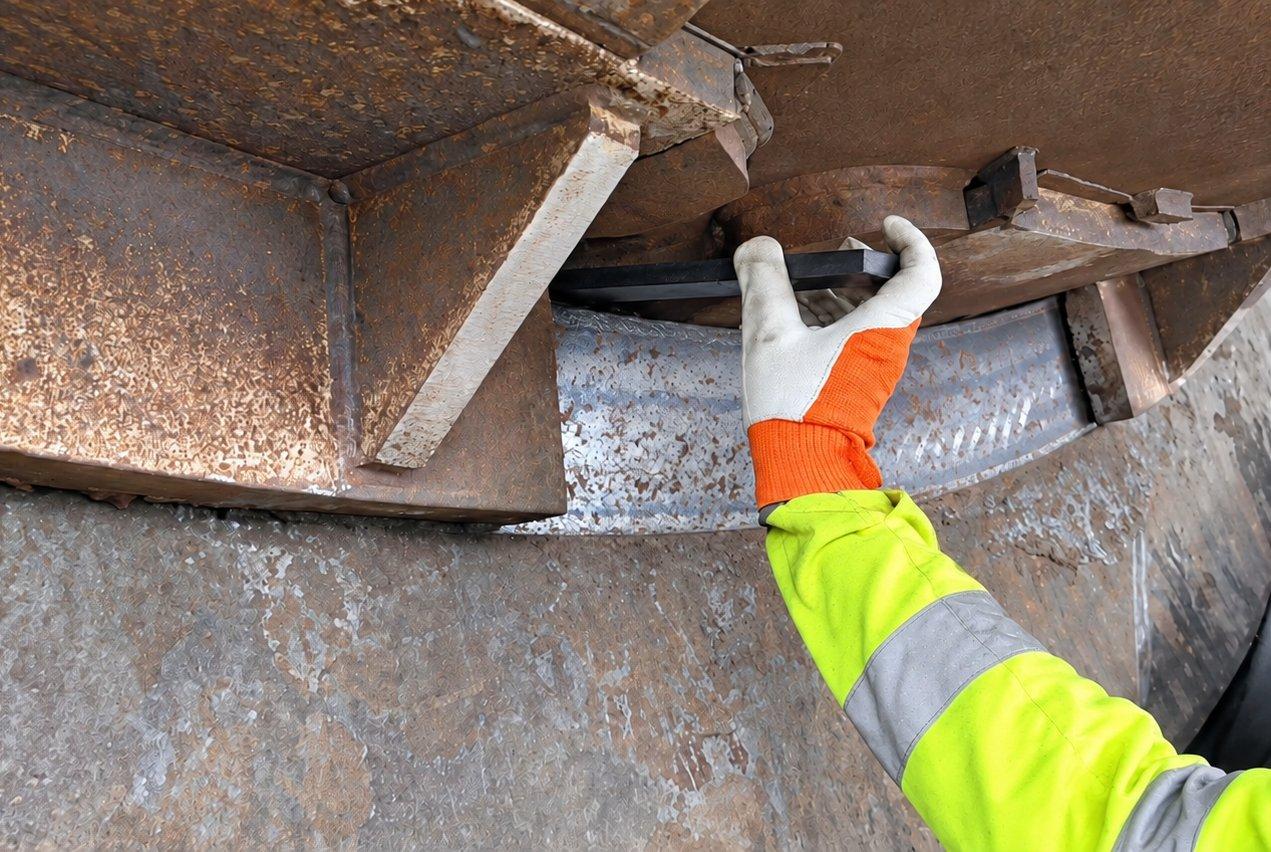
KRL® Kiln Ring Lubricant
KRL® solid lubricant bars are inserted between riding ring and wear plate and melt within one to two kiln revolutions. The lubricant film adheres strongly to the metal surfaces, reduces friction, optimizes the slip of the rotary kiln and extends the service life of the wear parts, with no spray equipment or additional hardware.
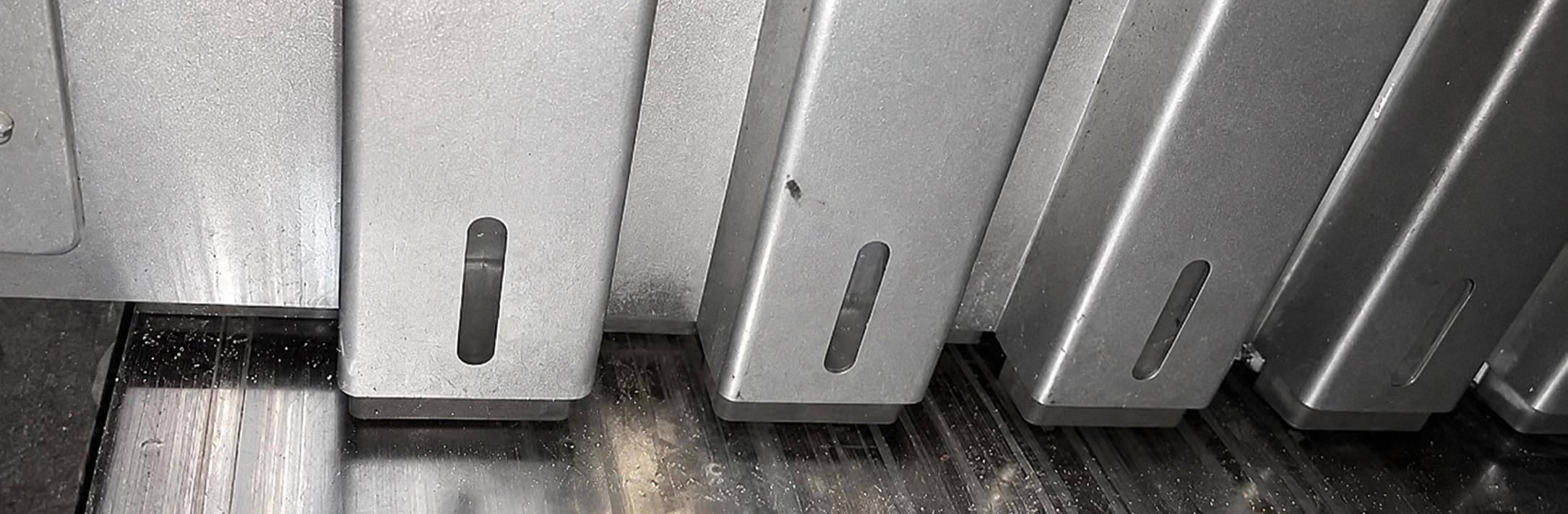
DRR dry lubrication
DRR applicators continuously apply a dry, solid protective coating to the trunnions, and with every revolution it transfers to the riding ring. The coating distributes the contact pressure more evenly, renews itself during operation and reduces metal wear at the trunnion-riding ring contact.
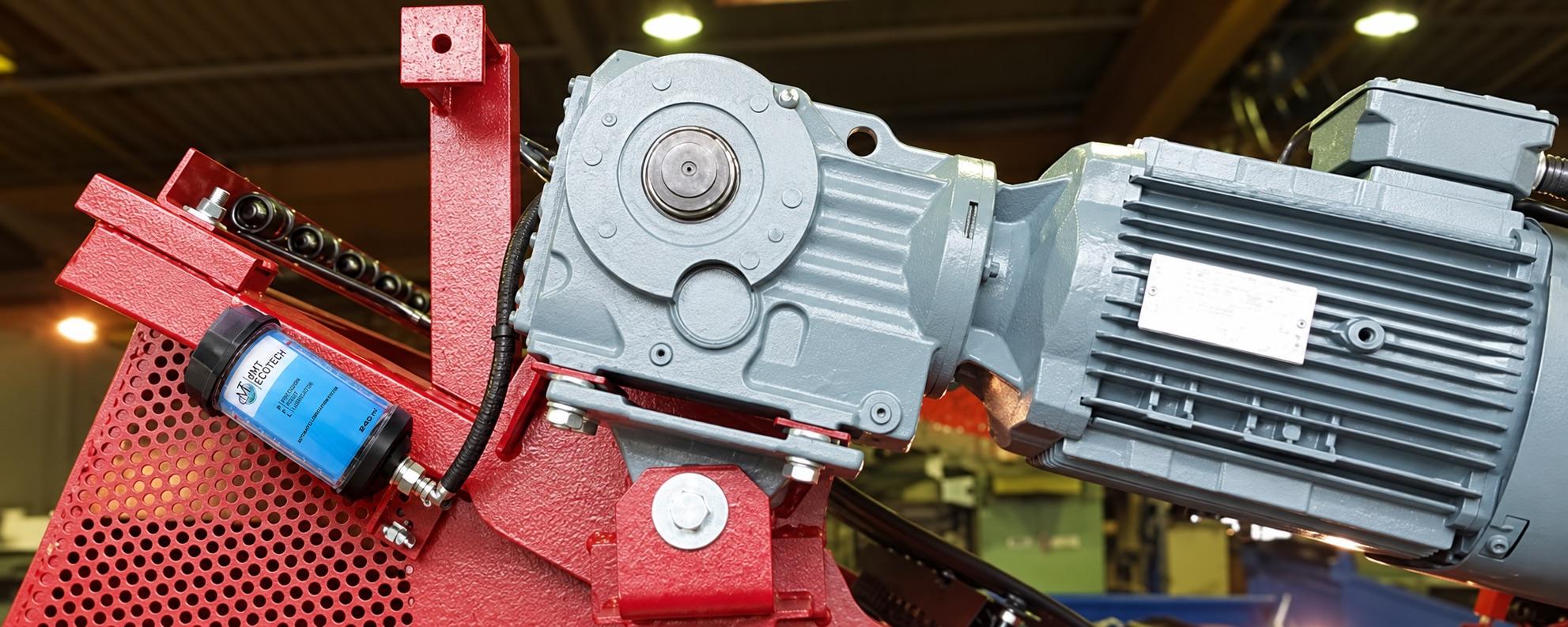
Lubrication during operation
PPL Precision Point Lubricators and KRL high-temperature lubricant dose solid lubricant precisely and without stopping the system. The result is a closed lubricant film with a controlled coefficient of friction, with no graphite blocks and no excess grease.
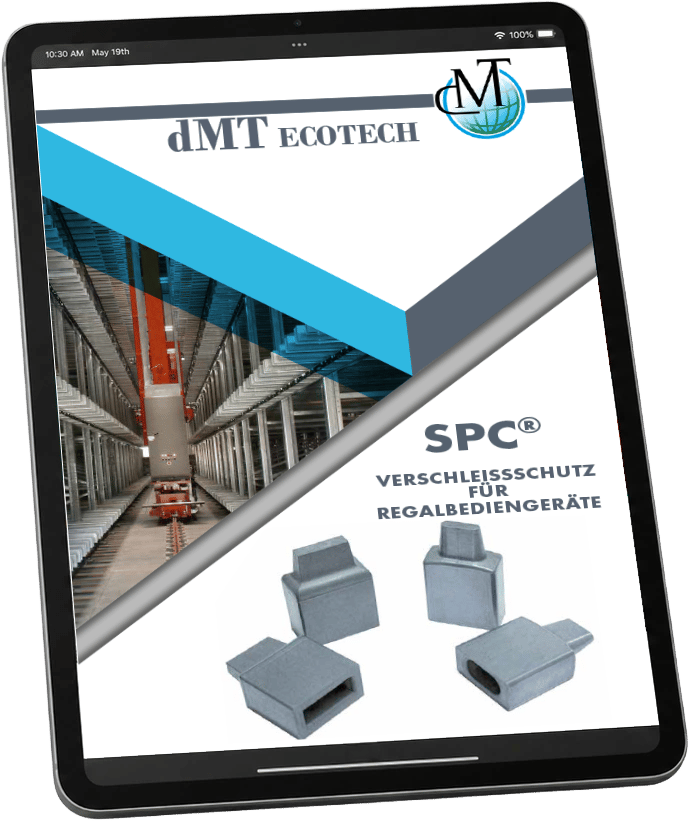
Before. After.
Documented
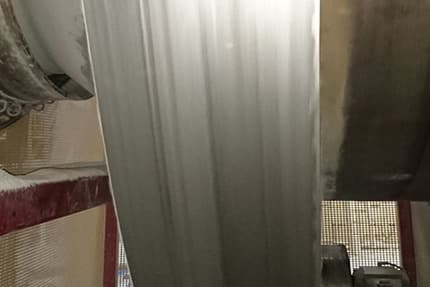
Dry running and abrasion stressed the running surface of the trunnion on this rotary kiln. We applied solid lubricant precisely during operation, and the closed lubricant film is documented.
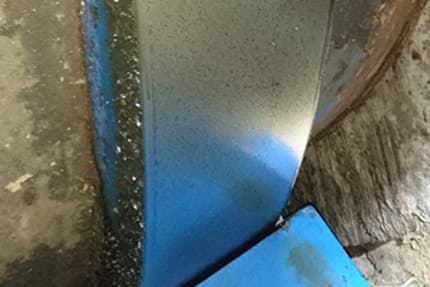
Before
After
Selected customers





Frequently asked
questions
These are the questions we get asked most often. If yours is not here, we will answer it directly.
Ready for less
downtime?
With our preventive maintenance solutions, we analyze your rotating equipment on site and develop a tailored concept that reduces downtime for good and raises system availability in the long term.