TSB low-friction blocks
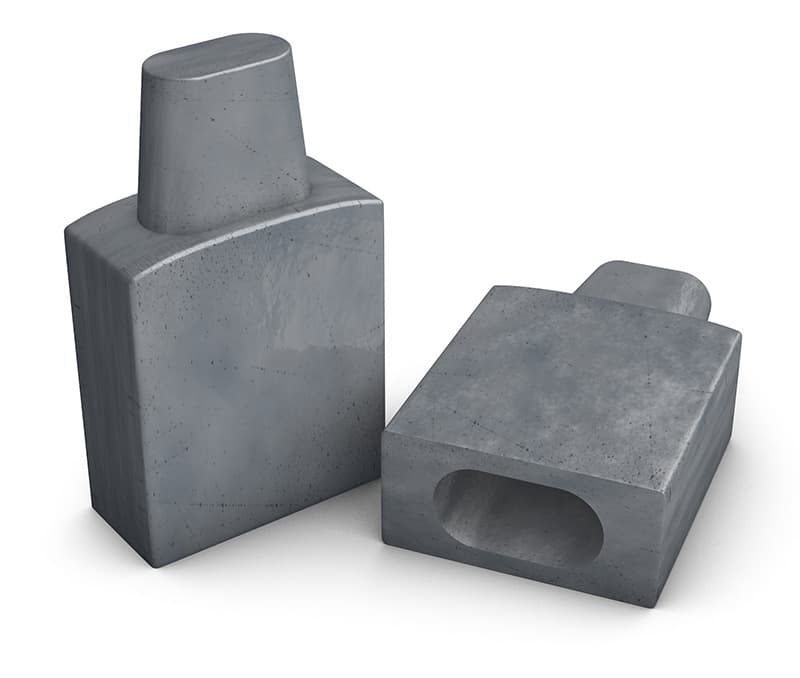
TSB blocks reduce friction between metal surfaces while providing wear protection.
μ up to 0.05
Areas of use: Wheel flanges, lateral guide rollers, trunnions and thrust rollers.
SPC® (Surface Protective Coating) protects stressed metal surfaces with a dry, solid coating. On wheels, wheel flanges and rails, the system reduces wear and matches the coefficient of friction to the function of the contact point.
Direct metal contact puts the heaviest load on small areas. SPC® works exactly there: the applicator renews the coating continuously while the system moves.
Wheels, wheel flanges and rails are stressed differently. The SPC® system is selected based on the contact surface and the required coefficient of friction.
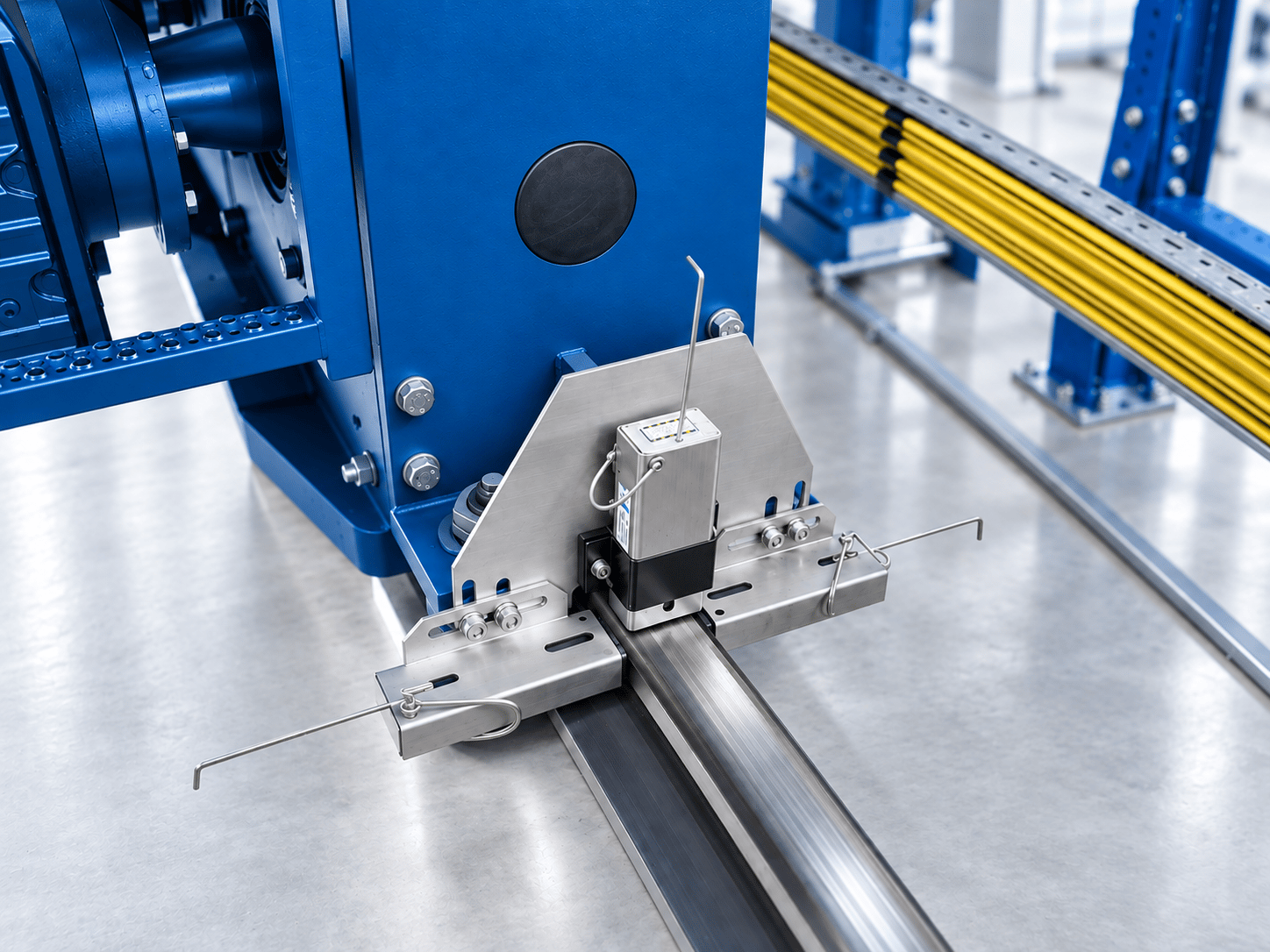
Specially developed applicators apply the wear protection element to the metal surface continuously. The bracket is matched to the existing system.
The dry, solid coating adheres mechanically to the surface and transfers to the surfaces in contact with each other. It fills irregularities and distributes the load more evenly.
Continuous application renews the coating. Depending on the block type, friction can be deliberately reduced or increased, with wear protection in both cases.
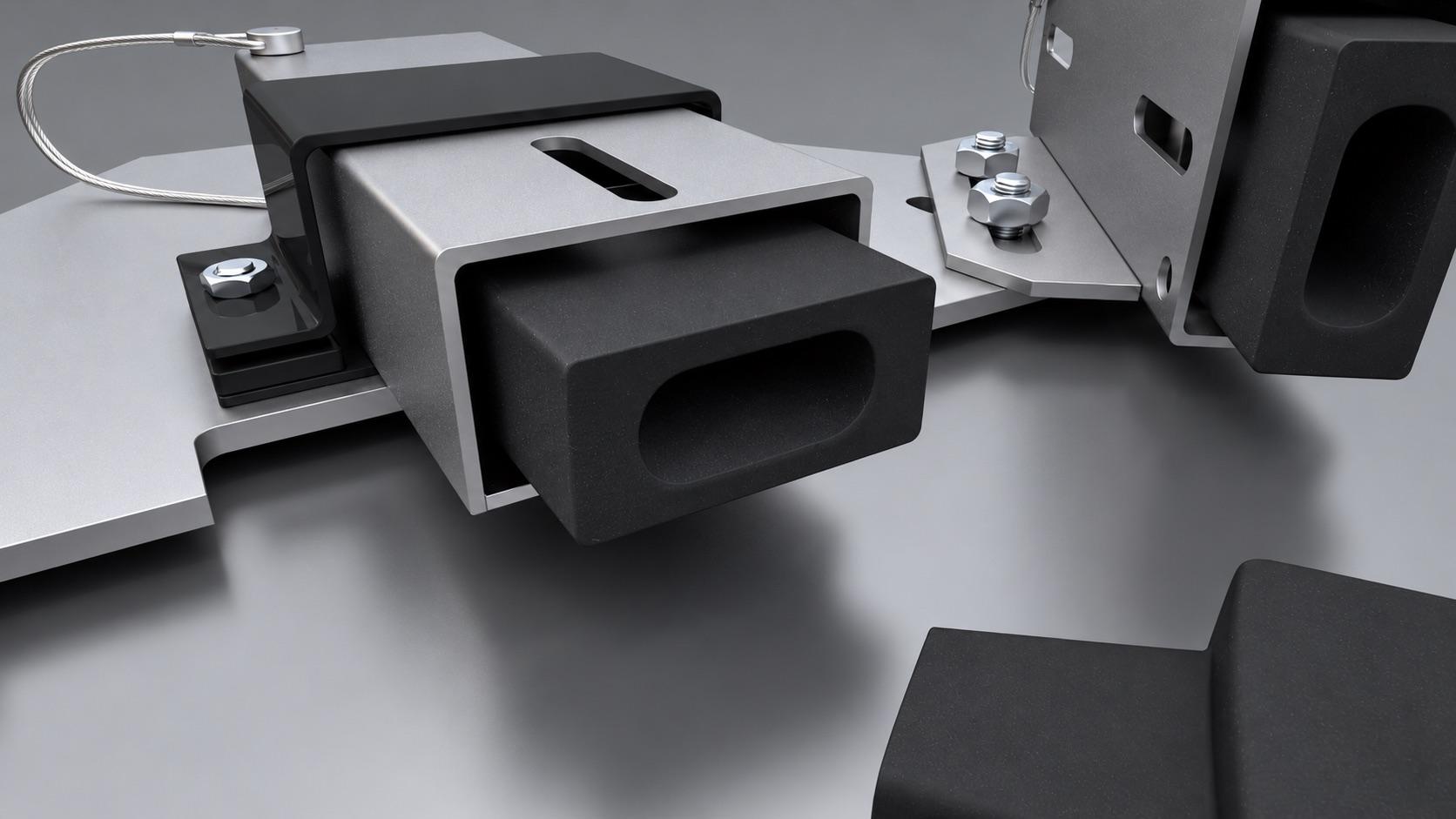
The coating acts directly on the surface structure. Individual pressure peaks turn into a more even load across the surfaces in contact.
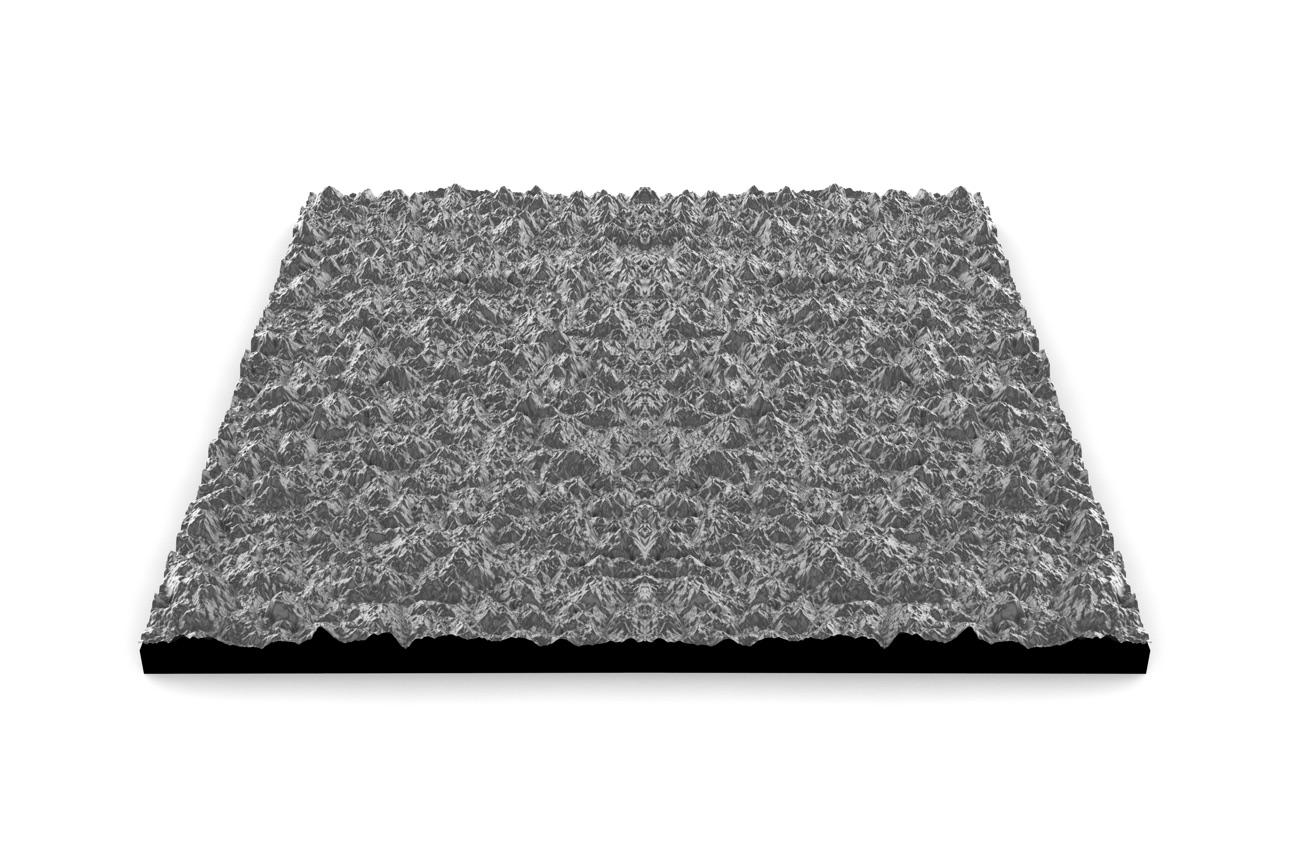
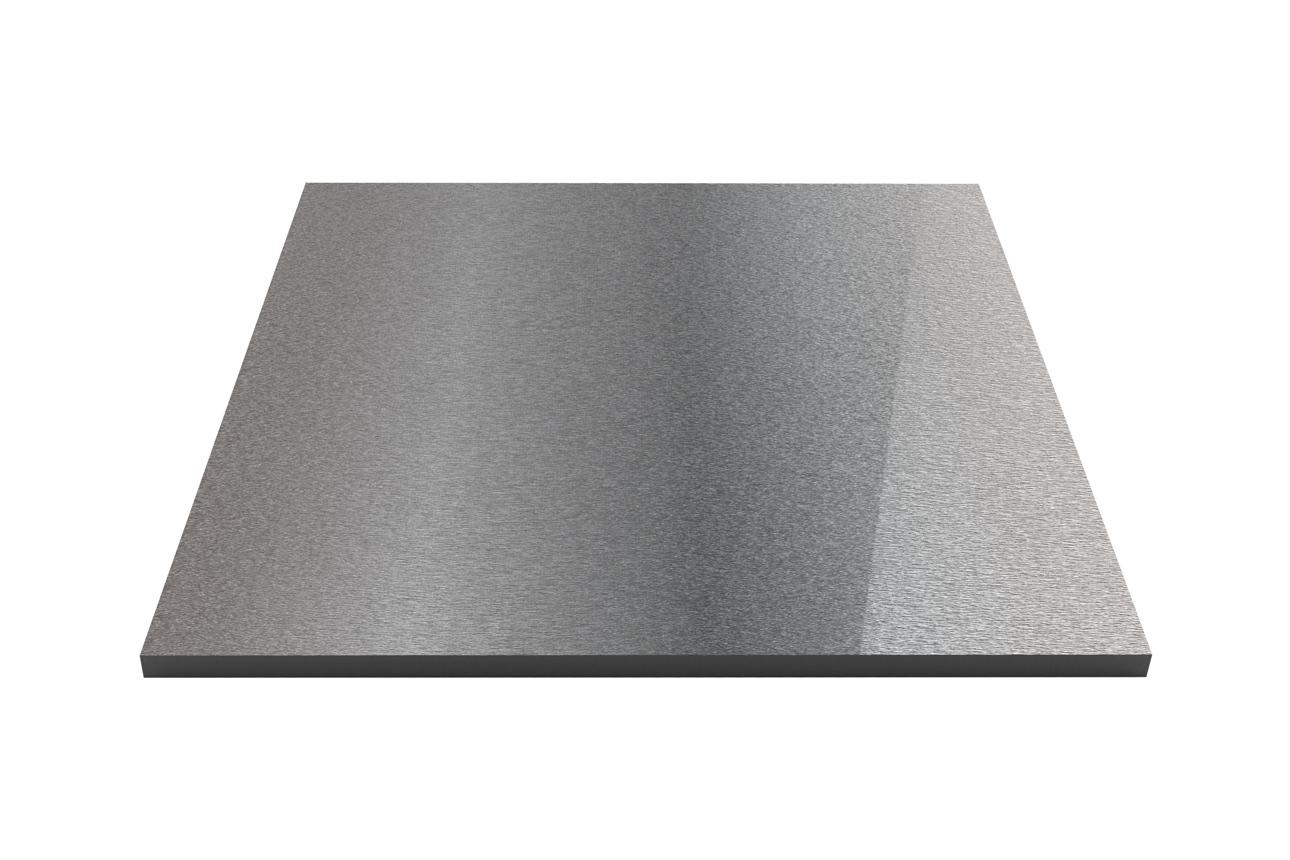
Rough metal surfaces initially touch at only a few points. The small actual contact area creates high local loads that promote material fatigue and abrasion.
The wear protection element adheres to the metal surfaces and fills their irregularities. The solid protective film increases the load-bearing contact area and distributes the pressure more evenly.
This effect can reduce wear on metal surfaces by up to 80%. The block type and proper sizing depend on the application.
Some contact points need low friction, others need more traction. SPC® covers both while protecting the metal surfaces.
TSB blocks reduce friction between metal surfaces while providing wear protection.
μ up to 0.05
Areas of use: Wheel flanges, lateral guide rollers, trunnions and thrust rollers.
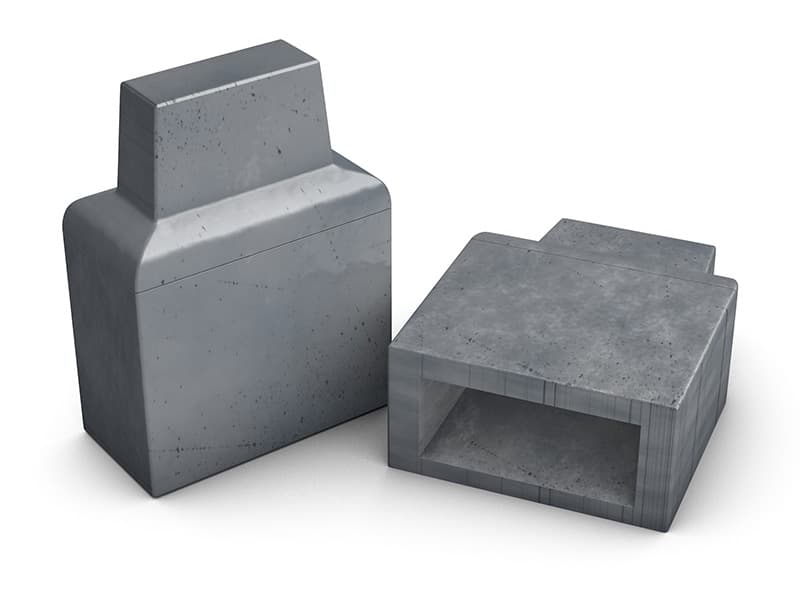
MSB blocks increase friction through adhesion additives. This reduces slip and protects the metal surfaces at the same time.
μ up to 0.35
Areas of use: Rail heads, wheel treads and friction rollers.
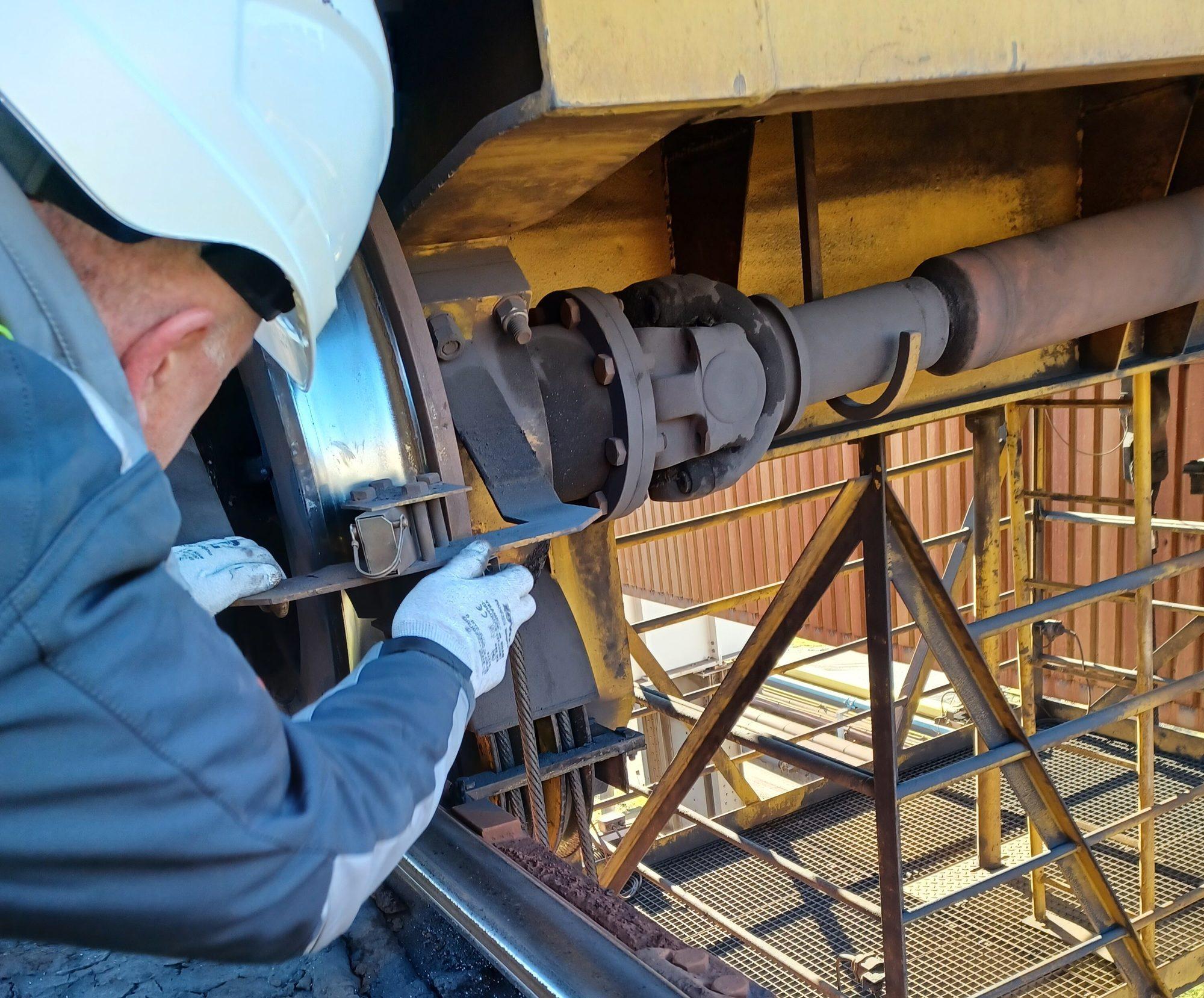
The effect starts with the right position and proper installation. Our technical consultants support selection and implementation on site.
 AI-generated image
Existing holes and fastening points are preferred, for example the mount of a rail brush. The bracket and the applicator are adapted to the geometry of the system.
Correct installation is a prerequisite for continuous application. If capacity on site is limited, a qualified installation team supports the implementation.
These are the questions we get asked most often. If yours is not here, we will answer it directly.
Which contact surfaces put a strain on your maintenance? Together we assess the condition of your system and the right combination of SPC® applicator, block type and installation.